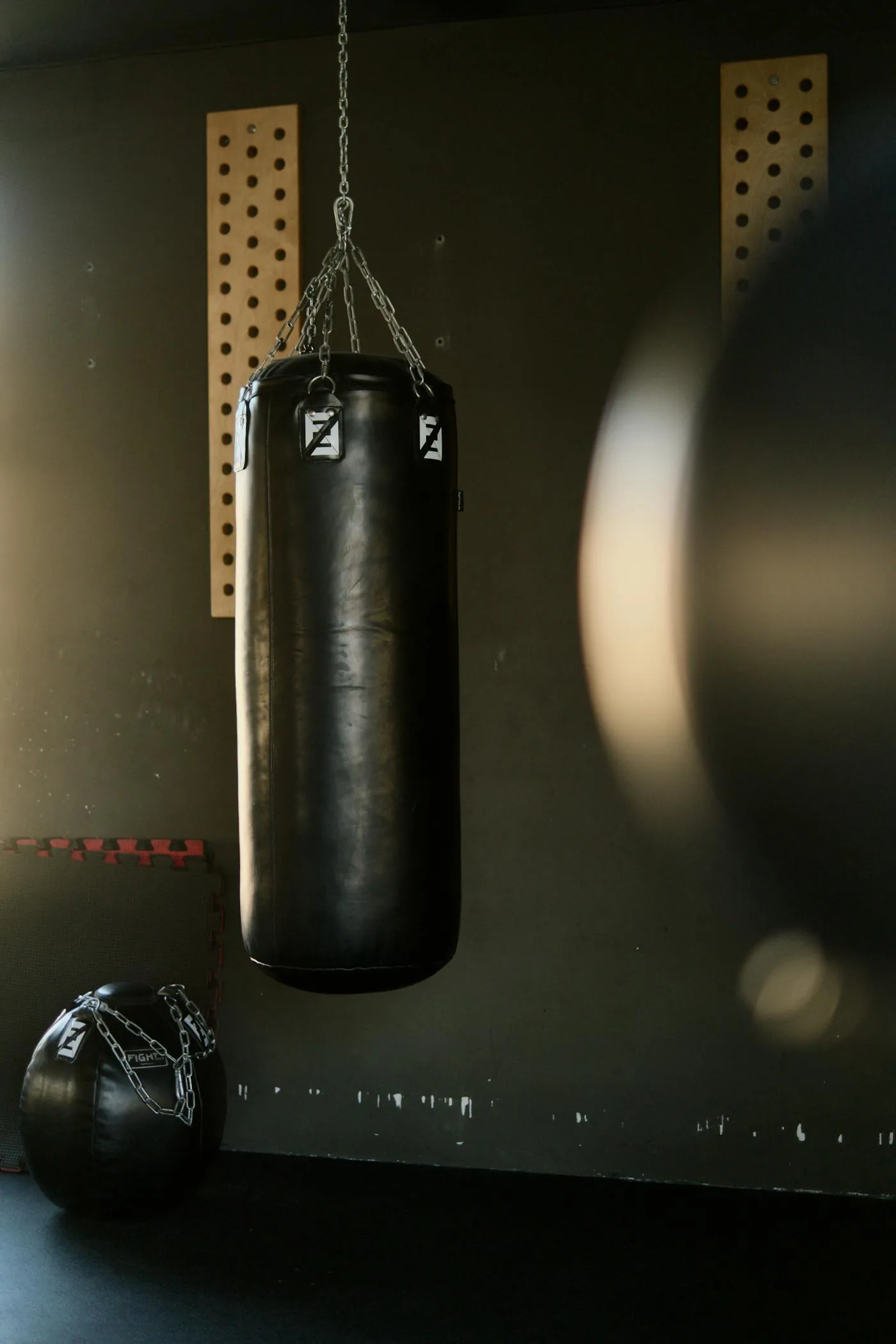
I'm a boxing coach, not a nutritionist. But after two decades of watching athletes train, I've seen clearly how much food choices affect performance — and how often underfueling or poor timing quietly sabotages otherwise solid training. This isn't a prescription. It's a framework of practical principles I share with students at Magrath Boxing Club who want to get the most from their time in the gym.
Boxing is a demanding sport that draws on multiple energy systems simultaneously. You need aerobic endurance for sustained output across rounds, anaerobic capacity for explosive combinations, and neuromuscular efficiency for sharp technique under fatigue. All three are heavily influenced by what you eat and when.
Carbohydrates Are Not the Enemy
High-intensity training runs primarily on glycogen — the stored form of carbohydrate. When you're low on glycogen, your output suffers noticeably: slower punches, faster fatigue, poorer decision-making in the later rounds. The low-carb trend that works reasonably well for sedentary people does not serve athletes who are throwing hundreds of punches per session at full intensity.
Good carbohydrate sources for boxers include oats, rice, sweet potatoes, whole grain bread, and fruit. The timing matters as much as the source. A moderate carbohydrate meal 2-3 hours before training, with a lighter carbohydrate snack 45-60 minutes out if needed, gives most athletes a full tank heading into class without the discomfort of a full stomach.
"You can have perfect technique and terrible fitness, and still outwork someone with average technique and a full tank. Nutrition is part of your training — not separate from it."
Protein: Recovery and Adaptation
Boxing training breaks down muscle tissue. Protein provides the building blocks to repair and strengthen it. Most active adults who train boxing three or more times per week benefit from consuming approximately 1.4–1.8 grams of protein per kilogram of body weight daily. Spreading this across meals rather than concentrating it in one sitting optimizes absorption.
Practical sources include eggs, chicken, fish, Greek yogurt, cottage cheese, legumes, and protein-fortified foods. The post-training window — the 30-60 minutes after a session — is when your muscles are most receptive to protein. A simple meal or shake containing 20-30 grams of protein in this window consistently improves recovery. That means less soreness, faster adaptation, and better performance in the next session.
Hydration: The Overlooked Performance Variable
Even mild dehydration — as little as 2% of body weight — meaningfully reduces strength, power, and cognitive function. In boxing, where split-second decisions and precise timing matter, this is not a small thing. Most people arrive at class already mildly dehydrated from daily activity, then sweat heavily through an hour of training without adequately replacing fluids.
The simple practice of drinking consistently throughout the day — not just during class — makes a measurable difference in how students feel and perform. Aim for pale yellow urine as a practical hydration check. During training, sip water between rounds. After a hard session, replenish with water and electrolytes, particularly if you sweat heavily. Sodium, potassium, and magnesium are all lost through sweat and affect muscle function when depleted.