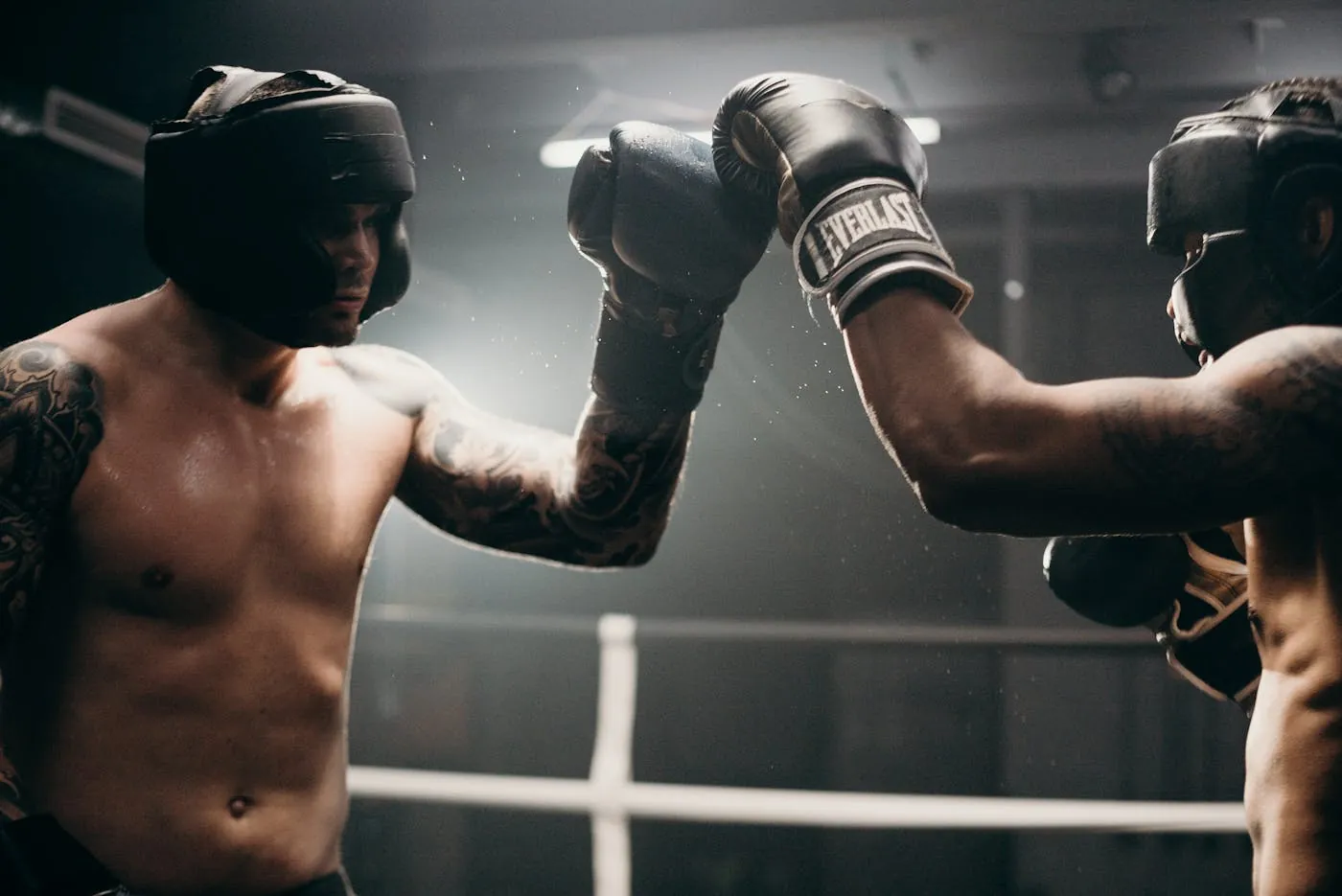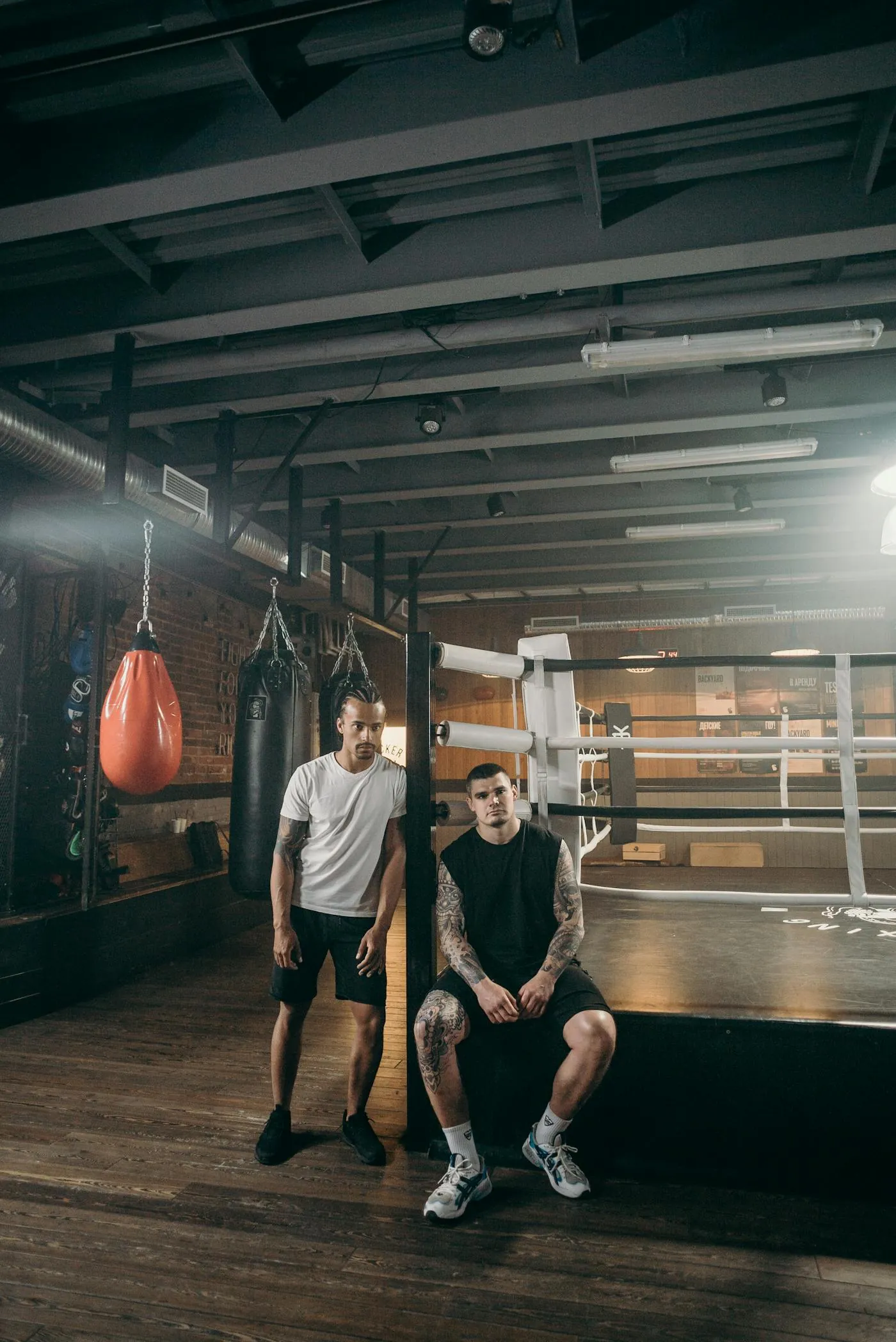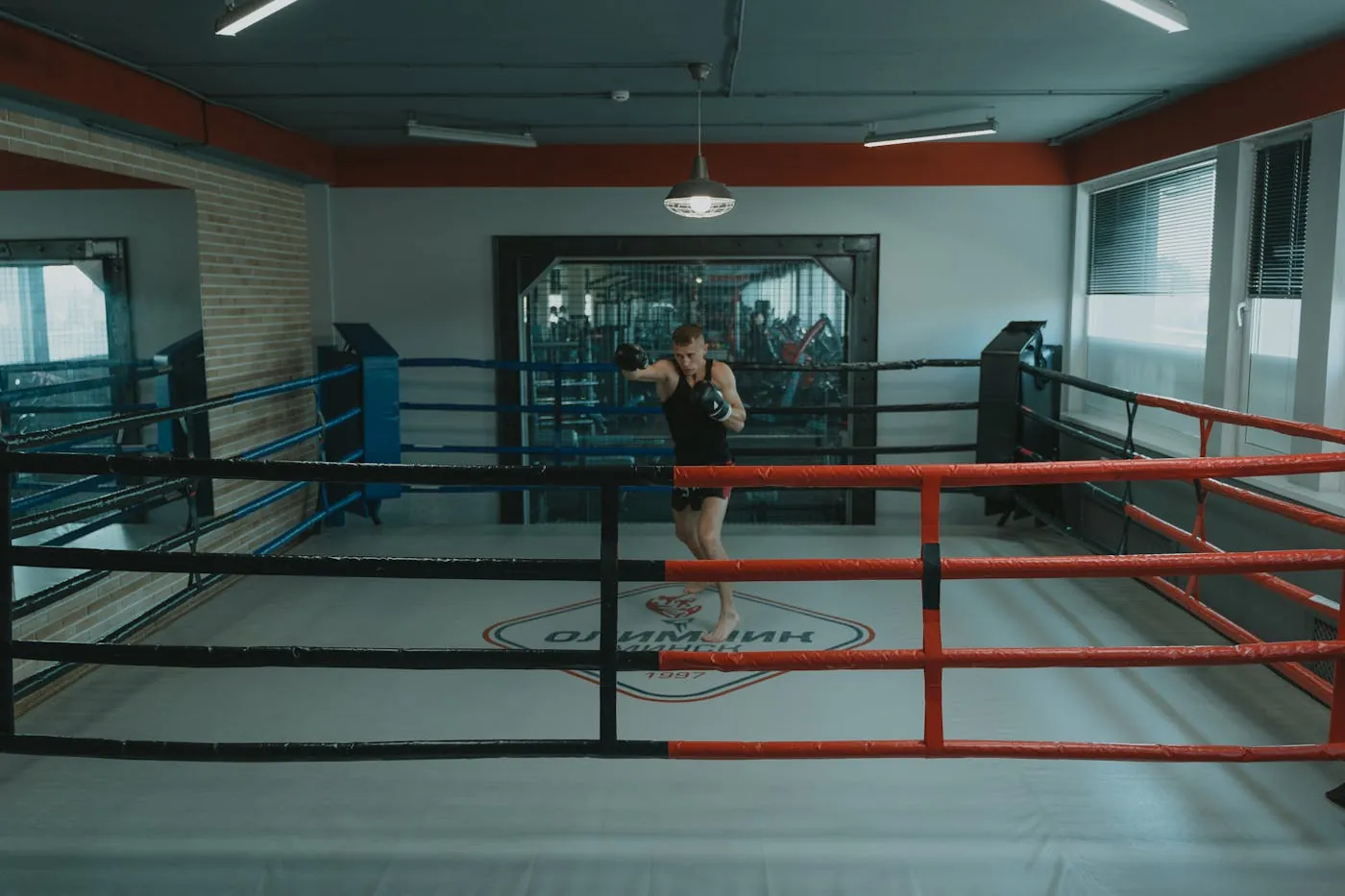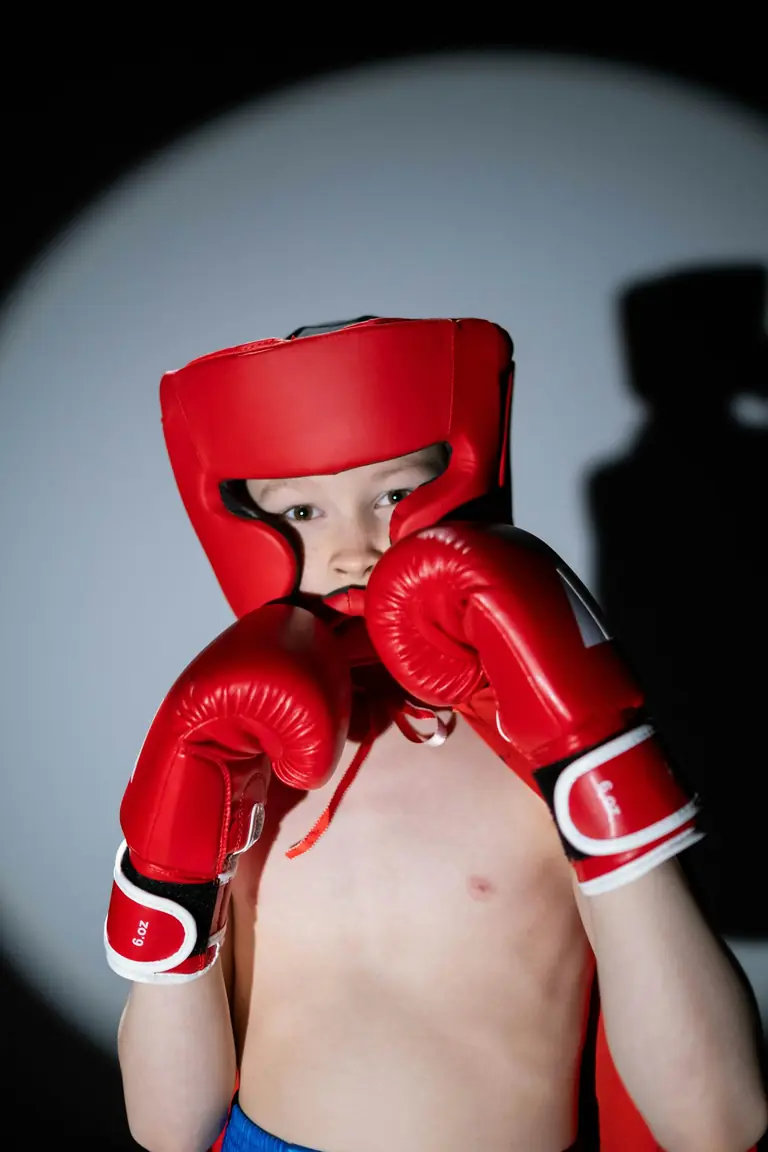
Parents often bring their kids to Magrath Boxing Club looking for fitness or an outlet for energy. What they don't expect is how much their child changes in less obvious ways — how they start making eye contact, how they respond to correction, how they handle a bad day at school. Boxing teaches discipline in a way that lectures and rules never can, because it teaches it through experience.
In over two decades of coaching youth athletes, I've seen a consistent pattern: kids who stick with boxing for even three months carry themselves differently. Not because we lecture them about respect — but because the gym demands it, and they feel the difference when they give it and when they don't.
Structure Creates Safety
Every class at Magrath runs on a clear structure: warm-up, technique work, pad rounds, cool-down. Kids know what's coming. That predictability creates psychological safety — and from that safety, they become willing to take risks and try hard things. When a child knows the environment is consistent, they can focus on growing instead of managing their anxiety about what comes next.
Structure also means accountability. You show up on time, you do your wraps properly, you listen when a coach is speaking. These aren't arbitrary rules — every one of them has a direct consequence in the ring. Kids understand cause and effect in boxing in a way that feels immediate and real.
"The gym doesn't yell at kids for being undisciplined. It just shows them, very clearly, what happens when they're not paying attention."
Failure as a Teaching Tool
One of the most valuable things boxing gives young athletes is a safe space to fail. Missing a combination, not covering up fast enough, getting winded in round two — these are all low-stakes failures that build resilience. The child who learns to reset after a mistake in sparring is the same child who handles a failed test or a broken friendship with more grace.
We don't protect kids from failure at Magrath. We coach them through it. There's a big difference between letting a child struggle and abandoning them. Every difficult moment in training is accompanied by a coach who's watching, guiding, and believing in what that kid is capable of. That's the environment where discipline is actually built — not demanded.
Respect as a Two-Way Practice
Boxing has a deep culture of respect — for your coach, your training partners, the craft itself. But we don't expect kids to show up already knowing how to do this. We model it. Coaches listen to kids. We take their questions seriously. We remember their names and what they're working on. When children are respected, they learn to give it back naturally.
Parents tell me all the time that their child started saying "yes, sir" and "thank you" at home after joining the club. That's not something we enforce — it's something that transfers when a young person experiences what a respectful environment actually feels like. The gym becomes a reference point for how they want to be treated and how they should treat others.